

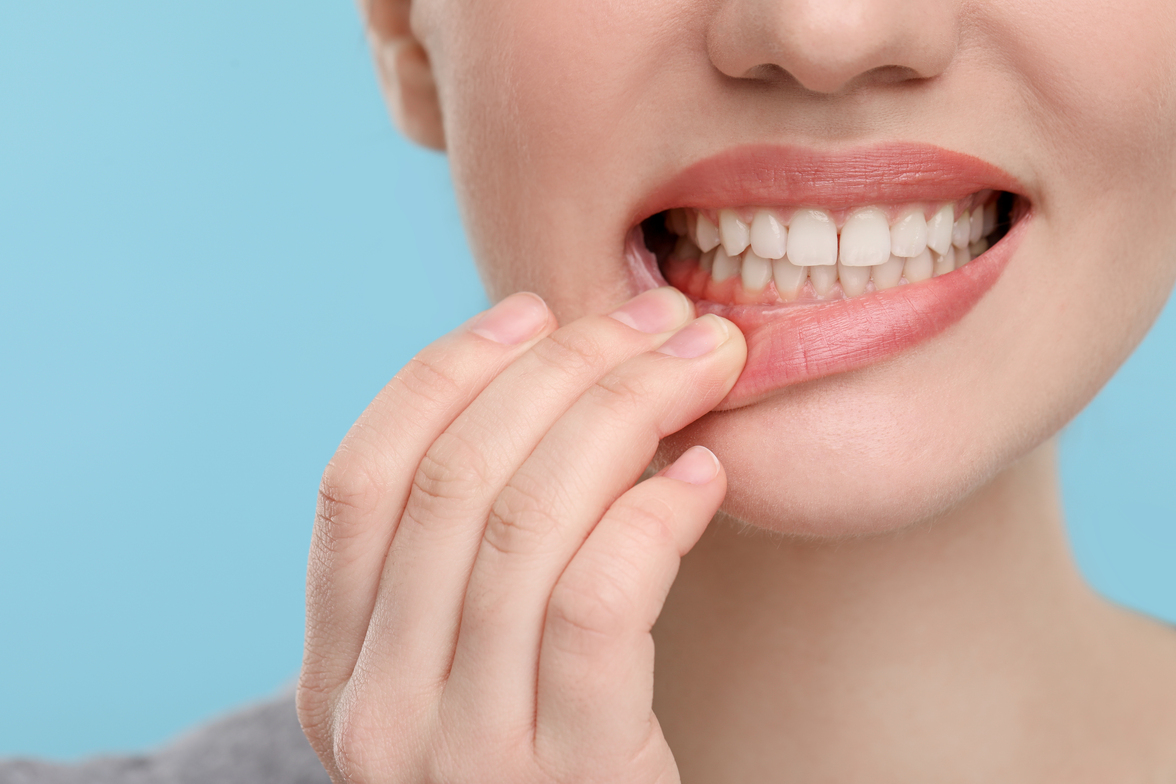
When we think about diabetes, we often think about blood sugar levels, heart health, kidney complications, and vision problems. However, there is another important aspect of health that deserves attention: your oral health.
Diabetes can affect more than your blood sugar. It can also increase your risk of gum disease, dry mouth, oral infections, and other dental problems. In some cases, changes in your gums may be among the first signs that something needs attention.
Understanding the connection between diabetes and gum health can help you recognize warning signs early, protect your smile, and take better care of your overall well-being.
How Does Diabetes Affect Your Gums?
Diabetes and gum health are closely connected. When blood sugar levels remain high, the body’s ability to fight infections may be affected. This can make it easier for harmful bacteria in the mouth to cause inflammation and infection around the teeth and gums.
People with diabetes are more likely to develop periodontal disease, commonly known as gum disease. They may also experience more severe gum problems and slower healing.
The relationship works both ways. Gum disease can contribute to difficulties managing blood sugar levels, making diabetes management more challenging. This is why maintaining good oral health is an important part of overall diabetes care.
5 Warning Signs Your Gums May Need Attention
Your gums can provide important clues about your oral health. Watch out for these common warning signs.
1. Bleeding Gums
Do your gums bleed when you brush or floss? Although many people dismiss this as normal, bleeding gums can be a sign of gingivitis, an early stage of gum disease.
If the bleeding happens regularly, arrange a dental examination to identify the cause.
2. Red, Swollen, or Tender Gums
Healthy gums are generally firm and do not bleed easily. Redness, swelling, or tenderness may indicate inflammation caused by plaque buildup or gum disease.
People with diabetes should pay particular attention to these changes because they may be more vulnerable to oral infections.
3. Persistent Bad Breath
Occasional bad breath can happen to anyone. However, persistent unpleasant breath or a bad taste in your mouth may be associated with gum disease or another oral health problem.
If the issue continues despite regular brushing and flossing, a dental check-up can help identify the underlying cause.
4. Dry Mouth
Diabetes and some medications can contribute to reduced saliva production, leaving your mouth feeling dry.
Saliva helps protect your teeth by washing away food particles and neutralizing acids. When there is not enough saliva, the risk of tooth decay, soreness, and oral infections may increase.
Drink water regularly and speak to your dentist if dry mouth persists.
5. Loose or Sensitive Teeth
Advanced gum disease can damage the tissues and bone that support your teeth. You may notice increased sensitivity, discomfort while chewing, or teeth that feel loose.
These symptoms should not be ignored. Seek a dental assessment promptly to determine the cause and discuss appropriate treatment.
Can Gum Disease Affect Blood Sugar Control?
Yes, there is a recognized relationship between diabetes and gum disease.
High blood sugar can make gum infections more likely and potentially more severe. At the same time, inflammation associated with gum disease may make blood sugar management more difficult.
This creates an important reason to care for both your oral health and your diabetes.
Managing blood sugar levels, maintaining a consistent oral hygiene routine, and receiving professional dental care can help reduce the risk of complications.
However, gum disease alone does not confirm that someone has diabetes, and gum symptoms cannot replace blood glucose testing or medical assessment.
How Can You Protect Your Teeth and Gums if You Have Diabetes?
The good news is that there are practical steps you can take to support healthier teeth and gums.
1. Brush twice daily. Use a soft-bristled toothbrush and fluoride toothpaste to remove plaque and protect your teeth.
2. Clean between your teeth daily. Use dental floss or an interdental cleaning tool recommended by your dental professional.
3. Keep your blood sugar under control. Follow your healthcare provider’s recommendations for diabetes management.
4. Schedule regular dental check-ups. Routine examinations and professional cleaning help identify gum problems early and remove hardened plaque that cannot be removed through brushing alone.
5. Inform your dentist about your medical history. If you have diabetes, tell your dentist about your condition, medications, and any changes in your blood sugar management.
6. Avoid smoking. Smoking increases the risk of gum disease and can interfere with healing.
7. Do not ignore persistent symptoms. Bleeding gums, swelling, ongoing bad breath, and dry mouth deserve attention, even if they do not cause significant pain.
Why Are Regular Dental Check-Ups Important?
Gum disease can progress without causing obvious discomfort in its early stages. Waiting until you experience pain may mean that the condition has already advanced.
A dental check-up allows your dentist to assess your gums, examine your teeth, identify potential problems, and recommend suitable treatment.
For people living with diabetes, regular dental care is particularly important because preventing and managing oral infections can be more challenging.
Even if your teeth look healthy, a professional examination can help identify problems that may not be visible at home.
Protect Your Smile with Health & Style Medical Centre
Your oral health is an important part of your overall well-being. Whether you are managing diabetes or simply want to maintain a healthy smile, paying attention to your gums is a valuable step toward better health.
At Health & Style Medical Centre (HSMC), we encourage you to make dental care a regular part of your health routine. A professional dental check-up can help assess your oral health, identify concerns early, and guide you toward appropriate care.
Don’t wait for discomfort to take your oral health seriously.
Book your dental check-up at Health & Style Medical Centre and take the next step toward healthier gums and a healthier smile.
Your smile deserves expert care.