

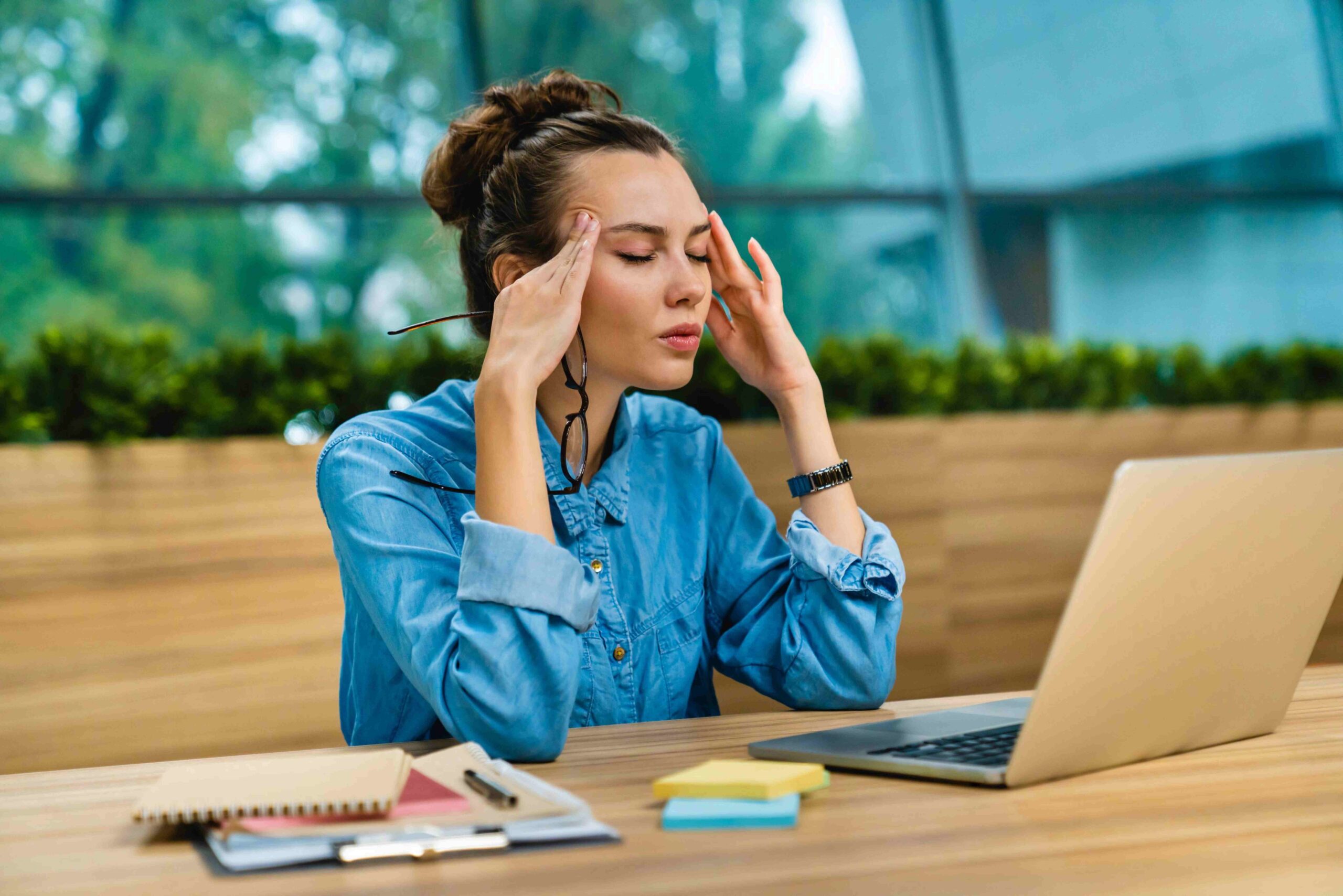
Have you ever experienced a headache after a stressful day, struggled to sleep because your mind would not switch off, or noticed stomach discomfort during a difficult situation?
These may be signs that stress is affecting your body.
Stress is a natural response to challenging situations. However, when stress becomes frequent or lasts for a long time, it can affect your physical health, emotional well-being, and everyday life.
How stress affects your body goes beyond feeling worried or overwhelmed.
Prolonged stress can contribute to headaches, muscle tension, digestive problems, sleep disturbances, changes in skin health, and difficulties with concentration.
Understanding the physical symptoms of stress can help you recognise when your body needs attention and take steps towards better health.
In this article, we explore seven ways stress affects your body, common warning signs of chronic stress, and practical stress management techniques that may help.
What Happens to Your Body When You Are Stressed?
When you experience stress, your body activates its natural fight-or-flight response. This response prepares you to react to a perceived threat or challenging situation.
Your body releases hormones such as adrenaline and cortisol. As a result, your heart rate may increase, your breathing may become faster, and your muscles may tense.
This response can be helpful in the short term. However, repeated or prolonged activation of the stress response can affect several body systems.
Over time, chronic stress may contribute to physical discomfort, sleep problems, mood changes, and other health concerns.
7 Ways Stress Affects Your Body
1. Headaches and Muscle Tension
One of the common physical symptoms of stress is muscle tension.
When you feel overwhelmed, the muscles in your neck, shoulders, and head may tighten. This can contribute to tension headaches, neck pain, and general muscle discomfort. Stress can also trigger migraines in people who are susceptible to them.
If you regularly experience headaches after a demanding day, stress may be one contributing factor.
How to manage it: Try gentle stretching, regular movement, relaxation exercises, and adequate rest. Seek medical advice if headaches are frequent, severe, persistent, or unusual for you.
2. Digestive Problems and Stomach Discomfort
Did you know that stress can affect your digestive system?
Your brain and gut communicate through a complex network known as the gut-brain connection. Stress can influence digestion and may worsen certain gastrointestinal symptoms.
Common stress-related digestive symptoms include:
- Bloating and abdominal discomfort
- Nausea or stomach cramps
- Constipation or diarrhoea
- Changes in appetite
- Worsening symptoms of irritable bowel syndrome (IBS)
Although stress can aggravate digestive problems, persistent symptoms should not automatically be attributed to stress.
How to manage it: Eat balanced meals regularly, stay hydrated, and practise relaxation techniques. Consult a healthcare professional if digestive symptoms persist or worsen.
3. Sleep Problems and Constant Fatigue
Do you feel exhausted but struggle to fall asleep at night?
Stress can make it difficult to relax, quiet your thoughts, or maintain a healthy sleep routine. It may cause difficulty falling asleep, waking frequently during the night, or feeling tired the following morning.
Poor sleep can then affect concentration, mood, and your ability to cope with daily challenges.
This creates a cycle in which stress disrupts sleep, while inadequate sleep makes stress more difficult to manage.
How to manage it: Maintain a consistent sleep schedule, limit caffeine later in the day, reduce screen use before bedtime, and create a relaxing nighttime routine.
If sleep problems persist or affect your daily functioning, seek professional advice.
4. Increased Heart Rate and Blood Pressure
Stress activates your body’s alert system, which can temporarily increase your heart rate and blood pressure.
While these changes are part of the normal stress response, frequent or prolonged stress may contribute to cardiovascular risk, particularly when combined with poor sleep, physical inactivity, or other unhealthy habits.
Stress is not the only cause of high blood pressure, and high blood pressure often has no noticeable symptoms.
How to manage it: Stay physically active, prioritise sleep, practise relaxation techniques, and monitor your blood pressure as recommended by your healthcare professional.
Seek emergency medical care for chest pain, severe shortness of breath, or other potentially life-threatening symptoms.
5. Skin Problems and Hair Loss
Stress can affect your skin and hair through hormonal, inflammatory, and behavioural pathways.
During stressful periods, some people notice worsening acne, increased itching, or flare-ups of existing skin conditions such as eczema and psoriasis.
Significant physical or emotional stress can also trigger temporary hair shedding, a condition known as telogen effluvium.
However, skin changes and hair loss can have multiple causes.
How to manage it: Follow a gentle skincare routine, avoid irritating your skin, and consult a qualified healthcare professional if you experience persistent skin problems or unexplained hair loss.
6. Changes in Immune Function
Another important effect of chronic stress is its influence on the immune system.
Prolonged stress can affect normal immune and inflammatory responses. It may also interfere with healthy habits, including getting enough sleep, eating balanced meals, and exercising regularly.
Together, these factors can affect your overall well-being.
How to manage it: Support your health with adequate sleep, balanced nutrition, regular physical activity, and appropriate preventive healthcare.
If you experience frequent or unusual infections, seek medical advice rather than assuming stress is the cause.
7. Anxiety, Irritability, and Difficulty Concentrating
Stress affects your mental health as well as your physical health.
You may notice that you become more irritable, find it difficult to concentrate, forget small details, or feel overwhelmed by tasks that usually seem manageable.
Prolonged stress can also contribute to anxiety and depressive symptoms, particularly when you feel unable to cope with ongoing challenges.
How to manage it: Break demanding tasks into smaller steps, take regular breaks, speak to someone you trust, and consider professional support if stress begins to affect your relationships, work, or daily activities.
What Are the Signs of Chronic Stress?
Chronic stress occurs when stressful experiences or pressures persist over time. The symptoms can vary from person to person.
Common signs of chronic stress include:
- Frequent headaches or muscle tension
- Persistent tiredness or sleep disturbances
- Digestive discomfort
- Changes in appetite
- Irritability or mood changes
- Difficulty concentrating
- Feeling overwhelmed or constantly worried
- Changes in existing skin conditions
Experiencing one or more of these symptoms does not necessarily mean you have chronic stress. Many health conditions can cause similar problems, so persistent or unexplained symptoms should be assessed by a healthcare professional.
How to Manage Stress and Protect Your Health
Although you may not be able to eliminate every source of stress, adopting healthy habits can help you manage stress more effectively.
Stay Physically Active
Walking, swimming, cycling, or engaging in another activity you enjoy can support your physical health and emotional well-being.
Get Enough Sleep
Maintain a regular sleep schedule and create a relaxing environment that helps you unwind before bedtime.
Practise Relaxation Techniques
Slow breathing, mindfulness, meditation, and gentle yoga may help reduce feelings of tension and promote relaxation.
Eat a Balanced Diet
Eat regular, balanced meals and drink enough water. Avoid relying on excessive caffeine to manage tiredness.
Set Healthy Boundaries
Make time for breaks, prioritise important tasks, and ask for support when your responsibilities become overwhelming.
Seek Professional Support
If stress feels difficult to manage or begins affecting your everyday life, a qualified healthcare professional or mental health professional can help you identify appropriate support and coping strategies.
When Should You Seek Medical Advice?
It is important not to assume that every physical symptom is caused by stress.
Consult a healthcare professional if you experience persistent headaches, recurring digestive problems, ongoing fatigue, frequent palpitations, sleep difficulties, or emotional distress that affects your daily life.
Seek emergency medical care for chest pain, severe breathing difficulties, fainting, or other potentially life-threatening symptoms.
Early assessment can help identify possible causes and ensure you receive appropriate care.
Take Care of Your Mind and Body with Health & Style Medical Centre
Stress is a normal part of life, but persistent stress should not be ignored.
Recognising the physical symptoms of stress, understanding your triggers, and developing healthy coping habits can help you protect your overall well-being.
At Health & Style Medical Centre, we encourage you to take your health seriously and seek professional guidance when you experience symptoms that concern you.
Remember, taking care of your mental well-being is an important part of taking care of your physical health.
Need professional guidance about symptoms affecting your well-being?
🌐 Book your appointment: https://healthstyle.ae
Frequently Asked Questions About Stress and Your Body
1. How does stress affect your body physically?
2. What are the most common physical symptoms of stress?
3. Can stress cause stomach problems?
4. Can chronic stress affect your sleep?
5. Can stress cause hair loss or skin problems?
6. How can I reduce stress naturally?
7. When should I see a doctor for stress-related symptoms?