

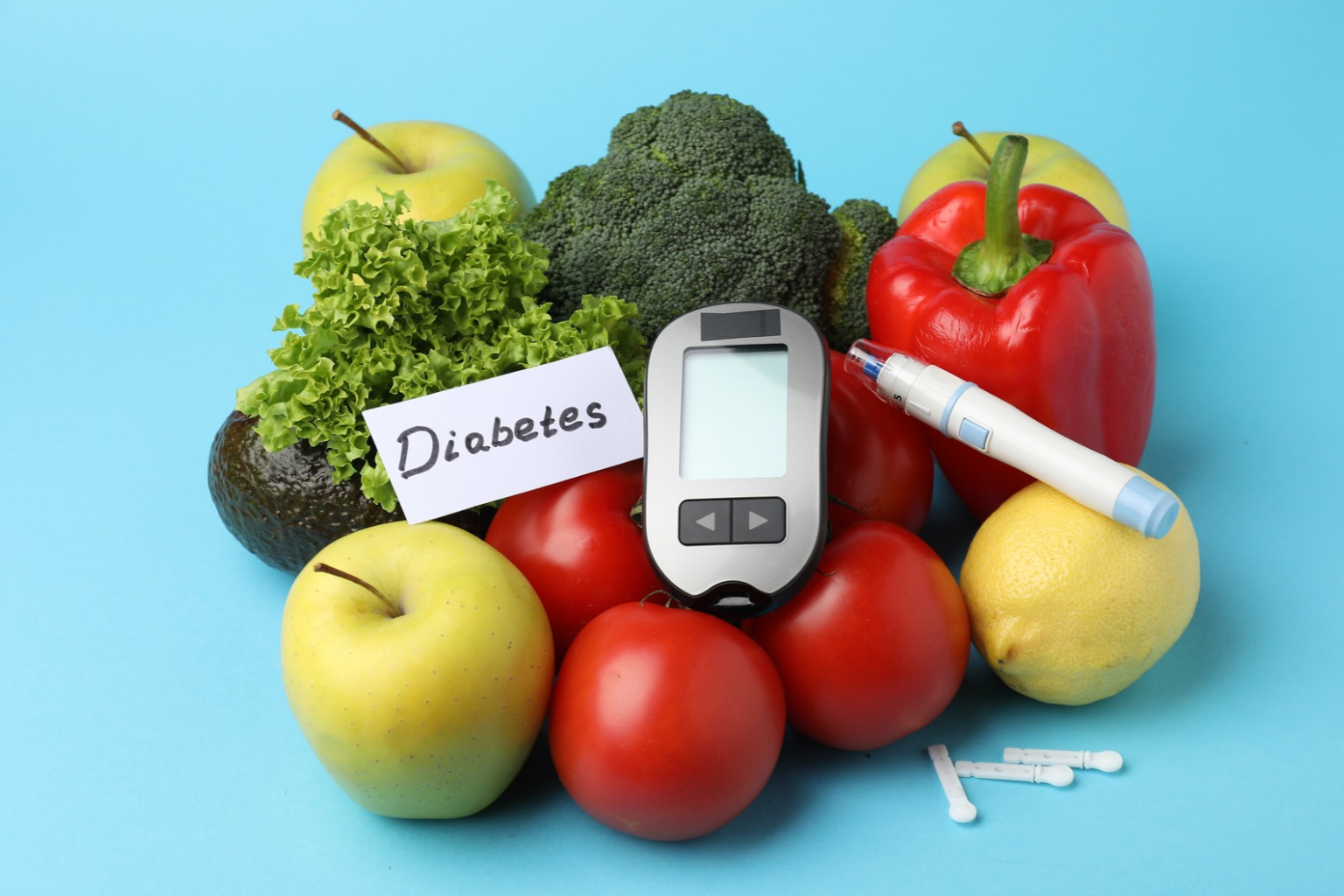
You exercise occasionally, go about your daily routine, and feel perfectly healthy. You may not experience unusual thirst, frequent urination, or fatigue. But could you still be at risk of developing type 2 diabetes?
The answer is yes.
Obesity is one of the important risk factors for type 2 diabetes, and the condition can develop gradually without noticeable symptoms. This means you may have elevated blood glucose levels or even prediabetes without realising it.
Excess body fat, particularly around the abdomen, can affect how your body responds to insulin. Over time, this can make it harder to regulate blood sugar levels and increase your risk of developing type 2 diabetes.
Understanding this connection and recognising the importance of early screening can help you take steps towards protecting your long-term health.
In this article, we explain how obesity increases diabetes risk, what prediabetes means, and why HbA1c and fasting blood glucose tests are important.
1. How Does Obesity Increase the Risk of Type 2 Diabetes?
To understand the relationship between obesity and diabetes, it is important to understand how insulin works.
Insulin is a hormone produced by the pancreas. Its primary role is to help glucose (sugar) move from your bloodstream into your body’s cells, where it is used for energy.
However, excess body fat can interfere with how effectively your body uses insulin.
Understanding Insulin Resistance
Insulin resistance occurs when cells in your muscles, liver, and fat tissue do not respond properly to insulin.
As a result:
- Glucose has more difficulty entering cells.
- Blood glucose levels begin to rise.
- The pancreas produces more insulin to compensate.
- Over time, the pancreas may struggle to produce enough insulin to maintain normal blood glucose levels.
This process can eventually lead to type 2 diabetes.
Why Abdominal Fat Matters
Not all body fat carries the same metabolic risk.
Visceral fat is the fat stored deep inside the abdomen, surrounding internal organs. Excess visceral fat is associated with increased insulin resistance and metabolic problems.
This is why abdominal obesity can be an important warning sign, even when someone feels physically healthy.
However, obesity does not mean that a person will definitely develop diabetes. Genetics, family history, physical activity, age, sleep, and other health factors also influence individual risk.
2. Can You Have Prediabetes Without Knowing It?
Yes. Prediabetes is a condition in which blood glucose levels are higher than normal but not high enough to meet the diagnostic criteria for type 2 diabetes.
One of the biggest challenges with prediabetes is that it often has no obvious symptoms.
You may feel completely normal while your blood glucose levels are gradually increasing.
What Happens During Prediabetes?
During prediabetes, the body may already be experiencing insulin resistance. The pancreas works harder to maintain blood glucose levels, but the body’s ability to regulate sugar is becoming less effective.
Without appropriate lifestyle changes and medical guidance, prediabetes can progress to type 2 diabetes.
However, developing diabetes is not inevitable. Early intervention can help improve blood glucose levels and reduce the risk of progression.
Who Is at Higher Risk of Prediabetes?
You may have an increased risk if you:
- Have overweight or obesity.
- Carry excess fat around your waist.
- Have a parent, sibling, or close family member with type 2 diabetes.
- Have a physically inactive lifestyle.
- Have high blood pressure or abnormal cholesterol levels.
- Have previously experienced gestational diabetes.
- Have been diagnosed with polycystic ovary syndrome (PCOS).
Having one or more risk factors does not confirm that you have prediabetes. Blood tests and professional medical assessment are needed.
3. Why Feeling Healthy Does Not Always Mean Your Blood Sugar Is Normal
Type 2 diabetes can develop gradually, and symptoms may not appear during the early stages.
Some people only discover that their blood glucose levels are elevated during a routine health check or blood test.
Common symptoms of diabetes may include:
- Increased thirst.
- Frequent urination.
- Unusual tiredness.
- Increased hunger.
- Blurred vision.
- Slow-healing cuts or wounds.
- Tingling or numbness in the hands or feet.
- Unexplained weight loss.
However, you should not wait for these symptoms before considering diabetes screening if you have relevant risk factors.
Early detection allows you and your healthcare professional to take appropriate steps before complications develop.
4. HbA1c Test: Understanding Your Average Blood Sugar Levels
The HbA1c test, also known as the glycated haemoglobin test, is one of the most useful blood tests for identifying prediabetes and diabetes.
Unlike a single blood glucose reading, HbA1c provides an estimate of your average blood glucose levels over approximately the previous three months.
How Does the HbA1c Test Work?
Glucose naturally attaches to haemoglobin, a protein found in red blood cells.
When blood glucose levels remain elevated, more glucose attaches to haemoglobin. The HbA1c test measures the percentage of haemoglobin that has glucose attached to it.
One advantage of this test is that fasting is generally not required.
What Do HbA1c Results Mean?
The commonly used diagnostic ranges for non-pregnant adults are:
| HbA1c result | Interpretation |
|---|---|
| Below 5.7% | Normal range |
| 5.7%–6.4% | Prediabetes range |
| 6.5% or above | Diabetes range |
An HbA1c result in the diabetes range generally requires confirmation with repeat testing if there are no clear symptoms of diabetes.
Certain conditions, including some forms of anaemia and blood disorders, can affect the accuracy of HbA1c results. Your doctor can determine whether another test is more appropriate.
5. Fasting Blood Glucose Test: What Does It Measure?
The fasting blood glucose test measures the amount of glucose in your bloodstream after you have avoided food and caloric drinks for at least eight hours.
It helps healthcare professionals identify elevated blood glucose levels and assess the risk of prediabetes or diabetes.
Understanding Fasting Blood Glucose Results
For non-pregnant adults, commonly used diagnostic ranges are:
| Fasting blood glucose | Interpretation |
|---|---|
| 99 mg/dL or below (5.5 mmol/L or below) | Normal range |
| 100–125 mg/dL (5.6–6.9 mmol/L) | Prediabetes range |
| 126 mg/dL or above (7.0 mmol/L or above) | Diabetes range |
A result in the diabetes range usually needs confirmation through repeat testing when there are no clear symptoms.
HbA1c vs. Fasting Blood Glucose: What Is the Difference?
Both tests are useful, but they measure different aspects of blood glucose regulation.
| Feature | HbA1c test | Fasting blood glucose |
|---|---|---|
| What it measures | Average blood glucose over approximately 3 months | Blood glucose at the time of testing |
| Fasting required | Usually no | Yes, at least 8 hours |
| Main benefit | Shows longer-term glucose patterns | Measures current fasting glucose |
| Used to identify | Prediabetes and diabetes | Prediabetes and diabetes |
Your healthcare professional may recommend one or both tests depending on your symptoms, medical history, and risk factors.
6. Why Early Diabetes Screening Is Important
Waiting until symptoms appear can delay the identification of elevated blood glucose levels.
For individuals with obesity or other diabetes risk factors, appropriate screening can help identify metabolic changes earlier.
The UAE Department of Health’s diabetes standard recommends risk assessment and consideration of screening in adults with overweight or obesity who have additional risk factors. It recognises HbA1c, fasting plasma glucose, and the oral glucose tolerance test as appropriate screening options.
Depending on your individual risk profile, your healthcare professional may recommend:
- HbA1c testing.
- Fasting blood glucose testing.
- Cholesterol and triglyceride assessment.
- Blood pressure monitoring.
- Waist circumference and weight assessment.
- Additional tests based on your medical history.
Screening recommendations and testing frequency should be individualised rather than based on body weight alone.
7. Can You Reduce Your Risk of Type 2 Diabetes?
Yes. Although some risk factors, such as genetics and family history, cannot be changed, lifestyle improvements can help reduce the risk of developing type 2 diabetes.
If you have obesity or prediabetes, small and consistent changes can make a meaningful difference.
Maintain a Balanced Diet
Choose meals that include vegetables, whole grains, lean protein, legumes, and healthy fats.
Limit frequent consumption of sugary drinks, highly processed foods, and meals containing excessive amounts of added sugar.
Increase Physical Activity
Regular movement helps improve insulin sensitivity and supports blood glucose regulation.
Activities such as walking, cycling, swimming, and strength training can be incorporated into your routine according to your fitness level and medical needs.
Aim for Sustainable Weight Management
For people with overweight or obesity, losing even 5–7% of initial body weight may help improve metabolic health and reduce the risk of developing type 2 diabetes.
Focus on gradual, sustainable progress rather than crash diets or extreme restrictions.
Prioritise Sleep and Stress Management
Poor sleep and ongoing stress can affect appetite, activity levels, and metabolic health.
Maintain a consistent sleep routine and include activities that help you manage everyday stress.
8. When Should You Seek Professional Medical Advice?
You do not need to wait until you experience diabetes symptoms to speak with a healthcare professional.
Consider arranging a medical assessment if:
- You have overweight or obesity, particularly alongside other diabetes risk factors.
- You have a family history of type 2 diabetes.
- You have noticed increasing abdominal fat or weight gain.
- You have previously been diagnosed with prediabetes.
- You have high blood pressure or abnormal cholesterol levels.
- You have experienced symptoms such as excessive thirst, frequent urination, or unexplained fatigue.
A healthcare professional can assess your individual risk, recommend appropriate blood tests, interpret the results, and help you develop a suitable prevention or management plan.
If your results indicate prediabetes, early lifestyle intervention and regular follow-up can help reduce the likelihood of progression to type 2 diabetes.
Conclusion: Don’t Wait for Symptoms to Check Your Blood Sugar
Obesity can increase the risk of type 2 diabetes even when you feel healthy and have no obvious symptoms.
Insulin resistance and elevated blood glucose levels may develop gradually, making early screening particularly important for people with additional risk factors.
Remember, knowing your numbers is an important step towards protecting your health. With appropriate medical guidance, balanced nutrition, regular physical activity, and sustainable weight management, you can take proactive steps to reduce your diabetes risk.
Take a Proactive Step Towards Better Health
Your health deserves attention before symptoms appear. If you have concerns about your weight, blood glucose levels, or risk of type 2 diabetes, consider discussing them with a qualified healthcare professional.
Health & Style Medical Center (HSMC) encourages preventive healthcare and informed decisions to help you take better care of your health.
For appointments and enquiries:

Aminah Rafaqat
- Tags:
- Diabetes