
Imagine seeking a natural detox only to end up feeling weaker than before. While thousands of people swear by the transformative power of wet cupping, this ancient healing art requires careful consideration of physical readiness. Not every body is prepared for the process of bloodletting and suction. To ensure the best health outcomes, one must clearly identify Who Should Avoid Hijama? Before booking that first session, understanding the safety boundaries is the most critical step toward true recovery.
Is Hijama Safe for Everyone?
While many individuals seek Hijama to revitalise their energy and clear toxins, certain physiological conditions make the process risky. Practitioners often highlight that while the therapy is natural, it involves minor skin incisions and blood withdrawal. Consequently, the body must be in a specific state of health to recover effectively. Skipping a screening process can lead to complications, making it vital to ask: Who Should Avoid Hijama?
Why Certain Conditions Clash with Cupping
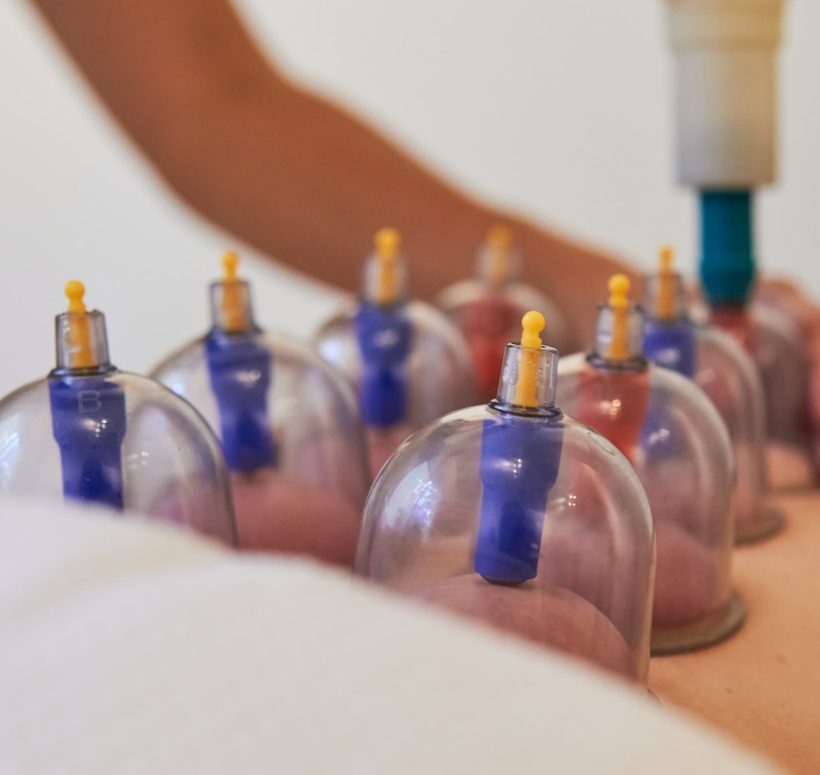
The mechanism of Hijama involves drawing “stagnant” blood to the surface. For a healthy individual, the body replaces this loss quickly. However, for those with blood-related disorders, this process triggers unnecessary stress. People frequently wonder about the specific limitations. Generally, Who Should Avoid Hijama includes individuals with anemia or blood clotting issues. If the body lacks sufficient red blood cells, removing even a small amount of blood can lead to extreme fatigue or fainting.
Furthermore, skin integrity plays a massive role. If the target area features eczema, psoriasis, or active infections, the suction from the cups can exacerbate inflammation.
Ensuring a Risk-Free Path to Wellness
Everyone deserves a path to healing that feels secure and professional. By understanding the boundaries of this therapy, a person can make informed decisions about their health journey. Knowing Who Should Avoid Hijama empowers seekers to choose the right timing for their sessions. For instance, pregnant women should typically avoid Hijama on the abdomen and lower back regions to ensure fetal safety. Similarly, those currently undergoing chemotherapy or dealing with heart failure must prioritise their primary treatments.
Key Groups: Who Should Avoid Hijama?
- Individuals with Hemophilia: Those with bleeding disorders face high risks of bruising and uncontrolled bleeding.
- Users of Blood Thinners: Anticoagulant medication interferes with the body’s ability to heal the small incisions.
- People with High Fever: Hijama can interfere with the body’s natural thermoregulation during an active infection.
- Cancer Patients: Those with metastatic disease should consult specialists before considering alternative therapies.
Take the Next Step Toward Healing
Health is a personal journey that requires expert guidance. Understanding Who Should Avoid Hijama is just the first step in a comprehensive wellness plan. If no contraindications exist, the benefits of this prophetic medicine can be life-changing.Are there lingering questions about personal suitability for this treatment? Do not leave health to chance. Book an appointment at HSMC today or consult our team to receive a professional assessment. Experts stand ready to guide every individual toward the most effective and safe therapeutic options available.

- Tags:
- Hijama