

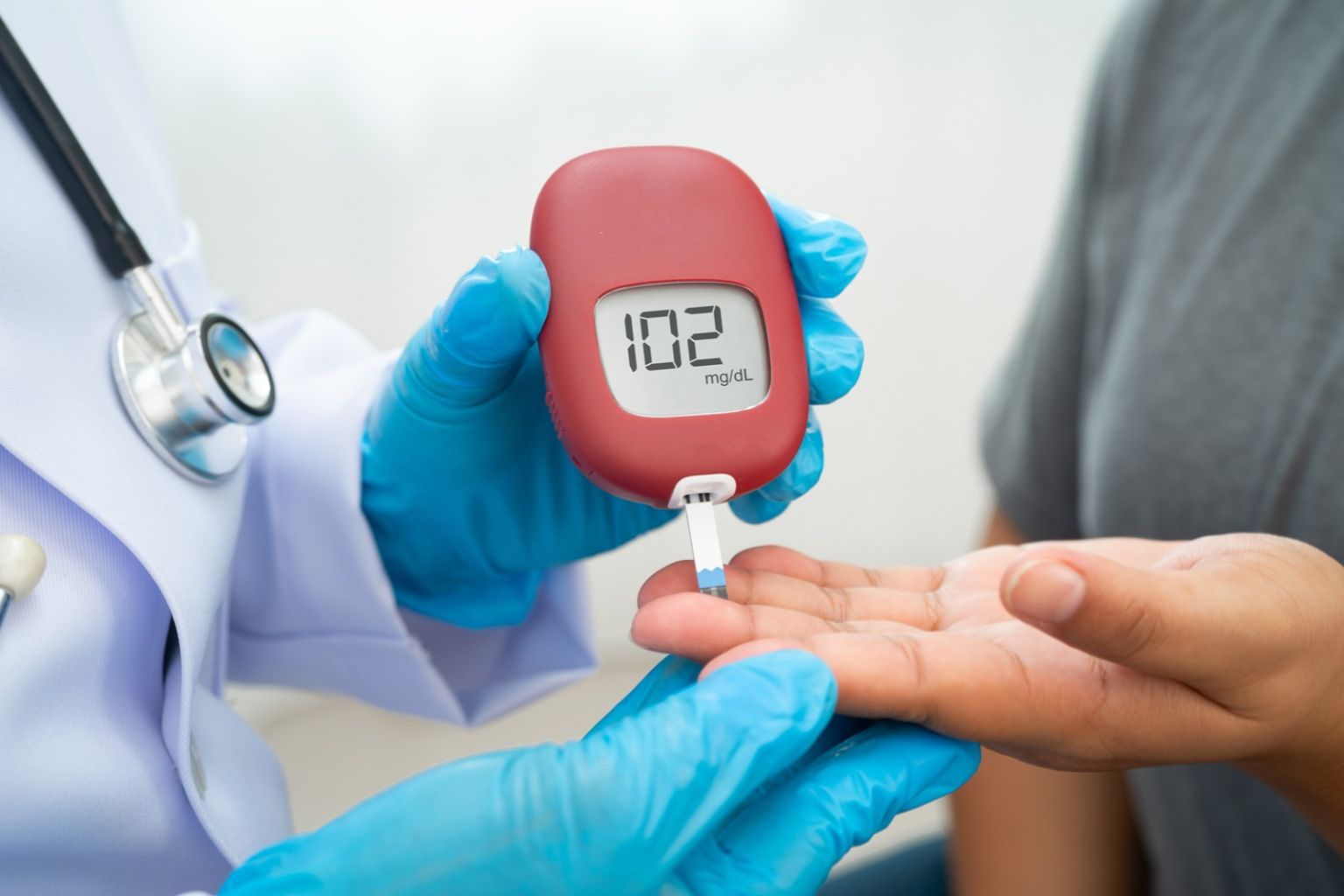
Not everyone with diabetes knows they have it. In fact, type 2 diabetes can develop gradually over several years, sometimes without causing noticeable symptoms in its early stages.
You may feel perfectly healthy, continue with your daily routine, and have no idea that your blood sugar levels are higher than normal.
This is what makes diabetes particularly concerning. When left undiagnosed and untreated, consistently high blood sugar can gradually damage the nerves, blood vessels, eyes, kidneys, and heart.
But how can you recognize diabetes before it leads to serious complications?
Understanding the early signs of diabetes can help you identify potential warning symptoms and seek medical attention at the right time.
Here are seven warning signs you should never ignore.
1. Frequent Urination – Are You Visiting the Bathroom More Often?
One of the most common early symptoms of diabetes is frequent urination, also known as polyuria.
When blood sugar levels become too high, the kidneys work harder to remove excess glucose from the bloodstream. As glucose passes into the urine, it draws additional water with it, increasing urine production.
You may notice:
- Needing to urinate more frequently than usual.
- Waking up several times during the night to use the bathroom.
- Passing larger amounts of urine.
- Experiencing increased urination even when your fluid intake has not changed.
If frequent urination becomes a regular occurrence, it is worth checking your blood sugar levels.
2. Excessive Thirst – Why Do You Always Feel Thirsty?
Do you often feel thirsty even after drinking water?
Excessive thirst, medically known as polydipsia, is another common warning sign of diabetes.
When your body loses more water through frequent urination, dehydration can develop. This triggers the sensation of thirst, making you feel the need to drink more fluids throughout the day.
You may experience:
- Persistent dry mouth.
- Feeling thirsty shortly after drinking water.
- Drinking significantly more water than usual.
- Waking up at night because of thirst.
Persistent and unexplained thirst should not be ignored, particularly when accompanied by frequent urination.
3. Constant Fatigue – Feeling Tired Even After Resting?
Feeling exhausted despite getting enough sleep may be another indication of elevated blood sugar.
When insulin does not work effectively, glucose cannot enter the body’s cells efficiently to provide energy. As a result, you may experience persistent tiredness and reduced energy levels.
Common signs include:
- Feeling exhausted throughout the day.
- Struggling to concentrate.
- Experiencing low energy even after sleeping.
- Finding everyday activities more tiring than usual.
Although fatigue can have many causes, persistent unexplained tiredness may warrant a blood glucose test.
4. Unexplained Weight Loss – Losing Weight Without Trying?
Unexpected weight loss can sometimes be an early sign of undiagnosed diabetes.
When the body cannot use glucose effectively for energy, it may begin breaking down stored fat and muscle for fuel.
This can result in weight loss even when you are eating normally or experiencing increased hunger.
Warning signs include:
- Losing weight without changing your diet.
- Noticing a sudden reduction in body weight.
- Feeling hungry despite eating regular meals.
- Experiencing unexplained weakness alongside weight loss.
Unintentional weight loss should always be evaluated by a healthcare professional.
5. Increased Hunger – Why Do You Feel Hungry Even After Eating?
Persistent hunger, also known as polyphagia, can be associated with diabetes.
When glucose cannot enter the body’s cells effectively, the cells may not receive the energy they need. This can trigger signals that increase hunger, even when you have recently eaten.
You may notice:
- Feeling hungry shortly after meals.
- Experiencing frequent food cravings.
- Eating larger portions than usual.
- Feeling hungry alongside unexplained fatigue or weight changes.
If increased hunger occurs together with excessive thirst and frequent urination, consider getting your blood sugar checked.
6. Blurred Vision – Are Your Eyesight Changes Related to Blood Sugar?
Changes in blood sugar levels can affect the shape of the eye’s lens, temporarily altering your ability to focus.
This may cause blurred or fluctuating vision.
You might experience:
- Difficulty focusing on objects.
- Blurry vision that comes and goes.
- Difficulty reading or viewing distant objects.
- Changes in vision throughout the day.
Over time, uncontrolled diabetes can damage the small blood vessels in the retina, leading to a condition called diabetic retinopathy.
Early detection and regular diabetic eye examinations are important for protecting your vision.
7. Slow-Healing Wounds, Tingling or Numbness in Your Feet
Your feet can sometimes reveal warning signs of diabetes.
Persistently high blood sugar can damage nerves and affect blood circulation, particularly in the lower limbs.
This may lead to diabetic neuropathy, a condition that affects the nerves and can reduce sensation in the feet.
Watch out for:
- Cuts or wounds that take longer to heal.
- Tingling or burning sensations in the feet.
- Numbness or reduced sensitivity.
- Unexplained foot pain.
- Repeated infections or skin problems.
Reduced sensation can make it difficult to notice minor injuries, allowing them to develop into more serious complications.
If you have diabetes or suspect you may have it, regular foot examinations are essential.
Why Can Diabetes Remain Undiagnosed for Years?
One of the biggest challenges with type 2 diabetes is that its symptoms may develop slowly and remain unnoticed.
There are several reasons why people may have diabetes without knowing it:
1. Symptoms develop gradually: Blood sugar levels may increase over time, making early symptoms difficult to recognize.
2. Symptoms seem ordinary: Fatigue, thirst, and frequent urination can easily be attributed to stress, busy schedules, or lifestyle habits.
3. No obvious physical changes: Some people with diabetes do not experience noticeable weight changes or other visible symptoms.
4. Lack of regular screening: People who feel healthy may not consider checking their blood sugar levels.
5. Prediabetes may have no symptoms: Blood sugar can be higher than normal for years before type 2 diabetes develops.
This is why regular diabetes screening is important, especially for individuals with known risk factors.
Who Is at Higher Risk of Developing Type 2 Diabetes?
Although anyone can develop type 2 diabetes, certain factors can increase your risk.
These include:
- Being overweight or living with obesity.
- Having a parent or sibling with type 2 diabetes.
- Leading a physically inactive lifestyle.
- Having high blood pressure.
- Having abnormal cholesterol or triglyceride levels.
- Having a history of gestational diabetes.
- Having previously been diagnosed with prediabetes.
- Having certain conditions associated with insulin resistance, such as polycystic ovary syndrome (PCOS).
If you have one or more of these risk factors, speak with your healthcare professional about appropriate screening.
How Can You Know If You Have Diabetes? Important Tests You Should Consider
Symptoms alone cannot confirm whether you have diabetes. A blood test is necessary for diagnosis.
Healthcare professionals commonly recommend the following tests:
1. HbA1c Test (Glycated Hemoglobin)
The HbA1c test measures your average blood sugar levels over approximately the previous two to three months.
Common diagnostic ranges are:
- Normal: Below 5.7%.
- Prediabetes: 5.7%–6.4%.
- Diabetes: 6.5% or higher.
2. Fasting Blood Glucose Test
This test measures your blood sugar after at least eight hours without food or caloric drinks.
Common diagnostic ranges are:
- Normal: 99 mg/dL or below.
- Prediabetes: 100–125 mg/dL.
- Diabetes: 126 mg/dL or higher.
3. Oral Glucose Tolerance Test (OGTT)
This test evaluates how effectively your body processes glucose after consuming a standardized glucose drink.
For the two-hour measurement:
- Normal: Below 140 mg/dL.
- Prediabetes: 140–199 mg/dL.
- Diabetes: 200 mg/dL or higher.
Unless there is clear clinical evidence of diabetes, an abnormal diagnostic result generally needs confirmation through repeat testing.
Your healthcare professional can recommend the most appropriate test based on your symptoms, medical history, and risk factors.
How Can You Reduce Your Risk of Type 2 Diabetes?
The good news is that many risk factors for type 2 diabetes can be improved through consistent lifestyle changes.
Here are some practical steps:
Maintain a healthy weight: If you are overweight, even modest weight loss can improve insulin sensitivity and help reduce diabetes risk.
Eat a balanced diet: Include vegetables, whole grains, fibre-rich foods, lean proteins, and healthy fats.
Exercise regularly: Aim for at least 150 minutes of moderate-intensity physical activity each week, if appropriate for your health.
Limit sugary drinks: Reduce your consumption of soft drinks, sweetened juices, and other beverages with added sugar.
Get enough sleep: Aim for approximately 7–9 hours of quality sleep each night.
Schedule regular health check-ups: Screening can help identify elevated blood sugar before symptoms or complications develop.
Conclusion: Don’t Wait for Symptoms to Become Serious
Diabetes does not always announce itself with obvious symptoms. You may feel healthy while elevated blood sugar levels are gradually affecting your body.
Frequent urination, excessive thirst, constant fatigue, unexplained weight loss, increased hunger, blurred vision, and slow-healing wounds are warning signs that deserve attention.
However, the absence of these symptoms does not mean your blood sugar is normal.
Early detection through regular screening can help identify diabetes and prediabetes, allowing you to take appropriate steps towards protecting your long-term health.
Don’t wait until your body sends stronger warning signals. Know your numbers. Get screened. Take control of your health.
Need a Diabetes Screening?
At Health & Style Medical Center (HSMC), we encourage proactive healthcare through appropriate medical consultations and health screening.
Whether you are experiencing possible diabetes symptoms or simply want to understand your blood sugar levels, taking the first step towards screening can make a difference.
📲 Book your appointment today!

Aminah Rafaqat
- Tags:
- Diabetes