


Diabetes is more than a condition that affects your blood sugar. When glucose levels remain high over time, diabetes can affect several parts of your body, including your feet, eyes, and teeth.
What makes this particularly concerning is that some diabetes-related complications develop gradually, often without noticeable symptoms during their early stages.
You may not realise that nerve damage is affecting your feet, that changes are occurring in the blood vessels of your eyes, or that your gums are becoming more vulnerable to infection.
Understanding the connection between diabetes and these three important areas of health is essential for preventing complications and maintaining your overall well-being.
In this article, we explore how uncontrolled blood sugar affects your feet, eyes, and teeth, the warning signs you should never ignore, and why regular medical, podiatry, ophthalmology, and dental examinations are important.
How Does High Blood Sugar Affect Different Parts of Your Body?
Blood sugar, also known as blood glucose, provides energy to your body. However, when glucose levels remain elevated for extended periods, they can damage blood vessels and nerves and interfere with the body’s ability to fight infections and heal wounds.
These changes can affect different organs and tissues.
Three areas that deserve particular attention are:
- Feet: Diabetes can damage peripheral nerves and blood vessels, increasing the risk of numbness, foot ulcers, infections, and delayed wound healing.
- Eyes: High blood sugar can damage the tiny blood vessels in the retina, potentially leading to diabetic retinopathy and vision loss.
- Teeth and gums: Diabetes can increase the risk of gum disease, dry mouth, tooth decay, and oral infections.
The important thing to remember is that these complications may develop independently or occur together. Managing diabetes means looking after your entire body, not just monitoring blood sugar levels.
1. Diabetes and Foot Health: When Nerve Damage Goes Unnoticed
Your feet are particularly vulnerable to diabetes-related complications because prolonged high blood sugar can damage the nerves and blood vessels that supply them.
This can lead to two major problems: diabetic neuropathy and poor circulation.
Diabetic Neuropathy: When Your Feet Lose Sensation
Diabetic peripheral neuropathy occurs when elevated blood sugar damages the nerves in your legs and feet.
You may experience:
- Tingling or pins-and-needles sensations.
- Burning or sharp pain.
- Numbness in your toes or soles.
- Reduced ability to feel heat, cold, or pain.
- Difficulty noticing cuts, blisters, or injuries.
The biggest concern is that you may develop a wound without feeling it.
For example, a small blister caused by tight footwear may go unnoticed. Without proper care, it can develop into an infected diabetic foot ulcer.
Poor Circulation and Slow Wound Healing
Diabetes can also damage blood vessels and contribute to peripheral artery disease, reducing blood flow to your feet.
Poor circulation can make it harder for wounds to heal and for the body to fight infections.
Over time, untreated foot injuries can develop into serious complications, including deep infections and tissue damage.
5 Warning Signs of Diabetic Foot Problems
Watch out for:
- Numbness or tingling in your feet.
- Cuts, blisters, or wounds that do not heal.
- Redness, swelling, or unusual warmth.
- Changes in skin colour or temperature.
- Foot pain, burning sensations, or changes in foot shape.
When to seek help: If you notice an open wound, swelling, redness, or unusual warmth, seek prompt medical assessment. Sudden colour changes, blackened skin, or signs of a serious infection require urgent attention.
How Can You Protect Your Feet?
- Inspect your feet every day.
- Wash and dry your feet carefully.
- Wear comfortable, properly fitting footwear.
- Avoid walking barefoot.
- Never attempt to remove corns or calluses yourself.
- Schedule regular podiatry examinations.
A professional podiatry assessment can help identify early signs of nerve damage, circulation problems, skin changes, and pressure-related injuries.
2. Diabetes and Eye Health: Protecting Your Vision from Retinal Damage
Your eyes contain a network of tiny blood vessels that supply oxygen and nutrients to the retina, the light-sensitive tissue at the back of the eye.
When blood sugar remains high over time, these delicate blood vessels can become damaged.
One of the most common diabetes-related eye complications is diabetic retinopathy.
What Is Diabetic Retinopathy?
Diabetic retinopathy occurs when prolonged high blood sugar damages the blood vessels in the retina.
These blood vessels may:
- Become weakened and leak fluid.
- Develop small areas of bleeding.
- Become blocked, reducing oxygen supply.
- Grow abnormal new blood vessels that can bleed easily.
In advanced cases, these changes can cause retinal damage, swelling, and potentially permanent vision loss.
Another complication is diabetic macular edema, which occurs when fluid accumulates in the macula, the part of the retina responsible for central vision.
5 Warning Signs of Diabetes-Related Eye Problems
Pay attention to these symptoms:
- Blurred or distorted vision.
- Dark spots or floating shapes in your vision.
- Difficulty seeing clearly at night.
- Dark or empty areas in your field of vision.
- Sudden changes or loss of vision.
Important: Diabetic retinopathy can develop without noticeable symptoms during its early stages. You should not wait for blurred vision before arranging an eye examination.
Sudden vision loss, a curtain-like shadow, or a sudden increase in floaters requires urgent eye assessment.
How Can You Protect Your Eyes?
- Keep your blood sugar levels within your recommended target range.
- Monitor your blood pressure and cholesterol.
- Follow a balanced diet.
- Stay physically active as advised by your healthcare provider.
- Schedule regular diabetic eye examinations.
A comprehensive eye examination allows an ophthalmologist to examine the retina and identify early signs of diabetes-related damage.
Early detection and appropriate treatment can significantly reduce the risk of severe vision complications.
3. Diabetes and Dental Health: Why Your Gums and Teeth Need Attention
Your mouth is another area that can be affected by prolonged high blood sugar.
People living with diabetes, particularly those with poorly controlled blood glucose, may be more vulnerable to gum disease, tooth decay, dry mouth, and oral infections.
One important complication is periodontal disease, commonly known as gum disease.
Diabetes and Gum Disease: A Two-Way Connection
Gum disease develops when bacteria accumulate around the teeth and cause inflammation of the surrounding gum tissues.
Diabetes can increase the risk and severity of gum disease by affecting the body’s immune and inflammatory responses.
The relationship also works in the opposite direction. Advanced gum disease causes chronic inflammation, which may make blood sugar management more difficult.
This creates a cycle in which diabetes and gum disease can influence each other.
Other Dental Problems Associated with Diabetes
1. Gingivitis
The early stage of gum disease, often characterised by red, swollen, and bleeding gums.
2. Periodontitis
An advanced gum infection that damages the tissues and bone supporting your teeth. If left untreated, it can lead to loose teeth and tooth loss.
3. Dry Mouth
Reduced saliva production can cause persistent dryness, difficulty swallowing, and an increased risk of tooth decay.
4. Tooth Decay
Changes in saliva production and oral health can increase the risk of cavities and dental infections.
5. Oral Infections
People with diabetes may have an increased risk of oral fungal infections, including oral thrush.
5 Warning Signs of Diabetes-Related Dental Problems
Do not ignore:
- Bleeding or swollen gums.
- Persistent bad breath.
- Dry mouth or a burning sensation.
- Tooth sensitivity or persistent toothache.
- Loose teeth or receding gums.
How Can You Protect Your Teeth and Gums?
- Brush twice daily using fluoride toothpaste.
- Floss every day.
- Drink water regularly.
- Limit sugary snacks and drinks.
- Avoid smoking.
- Keep your blood sugar under control.
- Schedule regular dental examinations and professional cleaning.
Your dentist can identify early signs of gum disease, cavities, and oral infections before they become more serious.
4. Warning Signs That Should Never Be Ignored
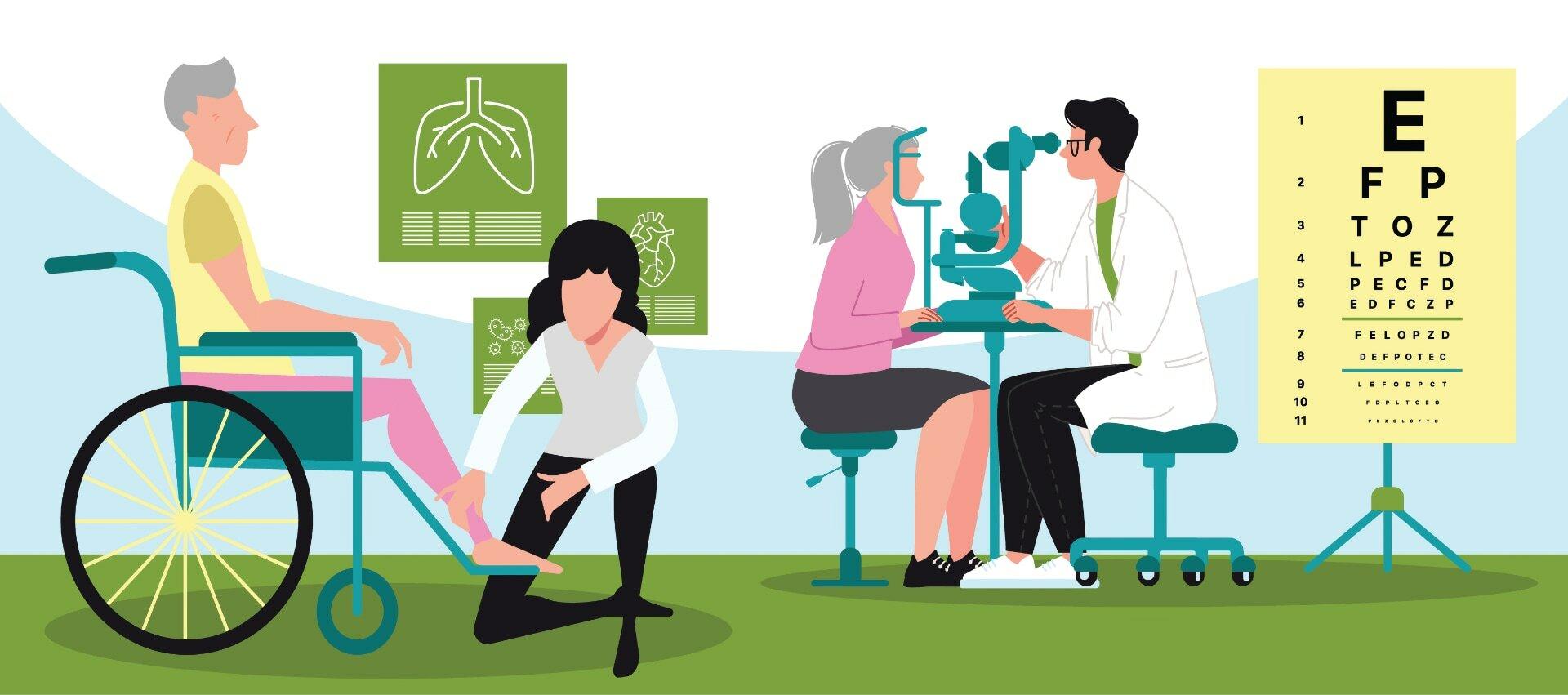
One of the biggest challenges with diabetes-related complications is that they may develop gradually without obvious symptoms.
Recognising changes early can help prevent more serious health problems.
Here are some warning signs that deserve medical attention:
| Area | Warning signs |
|---|---|
| Feet | Numbness, tingling, burning, swelling, cuts, or wounds that do not heal |
| Eyes | Blurred vision, floaters, dark spots, or sudden changes in eyesight |
| Teeth and gums | Bleeding gums, persistent bad breath, dry mouth, loose teeth, or oral infections |
When should you seek medical attention?
- If you notice an open foot wound, redness, swelling, or unusual warmth, seek prompt medical assessment.
- If you experience sudden blurred vision, flashes, a curtain-like shadow, or sudden vision loss, seek urgent eye care.
- If you have persistent gum bleeding, dental pain, swelling, or signs of an oral infection, arrange a dental examination.
Do not wait for symptoms to become painful or severe. Some diabetes-related complications can progress without causing significant discomfort.
5. Why Regular Health Screenings Are Essential for People with Diabetes
Regular screenings are an important part of diabetes management because they help healthcare professionals identify complications before they become more serious.
Even if you feel healthy and do not experience noticeable symptoms, routine examinations can reveal early changes that may otherwise go undetected.
Here are three important examinations to prioritise:
A. Comprehensive Diabetic Foot Examination
A podiatrist or qualified healthcare professional can assess:
- Nerve sensation and signs of neuropathy.
- Blood circulation in the feet.
- Skin condition, cuts, and pressure points.
- Foot structure and deformities.
- Toenail health and potential infections.
A comprehensive foot examination is recommended at least annually for people with diabetes, with more frequent assessments for those at higher risk.
B. Comprehensive Diabetic Eye Examination
An ophthalmologist or optometrist can examine the retina and identify early signs of diabetic retinopathy.
Depending on your condition, examinations may include:
- Visual acuity testing.
- Dilated retinal examination.
- Retinal photography.
- Optical Coherence Tomography (OCT), when indicated.
For people with Type 2 diabetes, a comprehensive eye examination is recommended at the time of diagnosis. People with Type 1 diabetes should generally have their first examination within five years of diagnosis.
The frequency of subsequent examinations depends on the findings and individual risk factors.
C. Regular Dental Examination
A dentist can identify early signs of gum disease, tooth decay, and oral infections.
A dental check-up may include:
- Examination of the gums and surrounding tissues.
- Checking for plaque and tartar.
- Assessing teeth for cavities and damage.
- Identifying signs of periodontal disease.
- Recommending professional cleaning or further treatment.
People with diabetes should maintain regular dental visits, with the frequency determined by their oral health and individual risk factors.
Remember: Screening schedules may vary according to your diabetes type, medical history, and examination results. Your healthcare team can recommend the appropriate schedule.
6. The Importance of Coordinated Healthcare: Treating the Whole Person
Managing diabetes requires more than one medical appointment or a single type of treatment.
Because diabetes can affect multiple parts of the body, a coordinated healthcare approach is essential.
Different healthcare professionals play important roles in identifying and managing diabetes-related complications.
| Healthcare professional | Role in diabetes care |
|---|---|
| General practitioner or diabetologist | Monitors blood sugar and overall diabetes management |
| Podiatrist | Assesses foot health, nerve damage, ulcers, and circulation-related concerns |
| Ophthalmologist | Examines the retina and manages diabetes-related eye complications |
| Dentist | Identifies and treats gum disease, cavities, and oral infections |
When healthcare professionals work together, they can help identify complications earlier, recommend appropriate treatments, and support better long-term health outcomes.
For example, a patient experiencing numbness in their feet may need a podiatry assessment, while another patient with blurred vision may require a retinal examination.
Similarly, bleeding gums or persistent oral infections should be evaluated by a dentist.
The goal is simple: Don’t focus on managing diabetes alone. Focus on protecting your overall health.
7 Essential Habits to Reduce the Risk of Diabetes Complications
Although diabetes can increase the risk of several health complications, adopting healthy daily habits can help prevent or delay many of them.
Here are seven important steps:
1. Monitor Your Blood Sugar Regularly
Follow your healthcare provider’s recommendations for monitoring glucose levels and maintaining your individual target range.
2. Follow a Balanced Diet
Choose nutritious foods, including vegetables, whole grains, lean proteins, and healthy fats. Limit excessive added sugars and highly processed foods.
3. Stay Physically Active
Regular physical activity can improve blood glucose management and support cardiovascular health. Choose activities appropriate for your health and fitness level.
4. Check Your Feet Every Day
Look for cuts, blisters, redness, swelling, and changes in skin colour. Seek professional advice if you notice anything unusual.
5. Prioritise Your Eye Health
Schedule regular diabetic eye examinations, even if your vision appears normal.
6. Maintain Good Oral Hygiene
Brush twice daily, floss regularly, and visit your dentist for routine examinations.
7. Attend Your Routine Medical Appointments
Keep up with recommended blood tests, blood pressure checks, cholesterol monitoring, and screenings for diabetes-related complications.
Small preventive steps can make a significant difference in protecting your long-term health.
Frequently Asked Questions (FAQs)
1. Can diabetes affect your feet, eyes, and teeth at the same time?
2. What are the first signs of diabetes complications?
3. Why does diabetes cause numbness in the feet?
4. Can diabetes cause blindness?
5. Does diabetes increase the risk of gum disease?
6. How often should people with diabetes have their feet, eyes, and teeth checked?
Feet: Comprehensive foot examination at least annually, or more frequently if you are at higher risk.
Eyes: Regular diabetic retinal screening, with frequency determined by diabetes type and examination results.
Teeth: Regular dental examinations, with more frequent visits when gum disease or other oral health problems are present.
7. Can diabetes complications be prevented?
Your Health Is Connected. Don’t Ignore the Warning Signs.
Diabetes does not affect just one part of your body. Its impact can extend to your feet, eyes, and teeth, sometimes without obvious symptoms.
A small wound on your foot, a change in your vision, or bleeding gums may be more than an isolated problem. These changes deserve attention, particularly if you are living with diabetes.
The good news is that early detection, proper treatment, and regular health screenings can help reduce the risk of serious complications.
Take a proactive approach to your health. Look after your feet, protect your vision, and maintain a healthy smile.

- Tags:
- Diabetes